
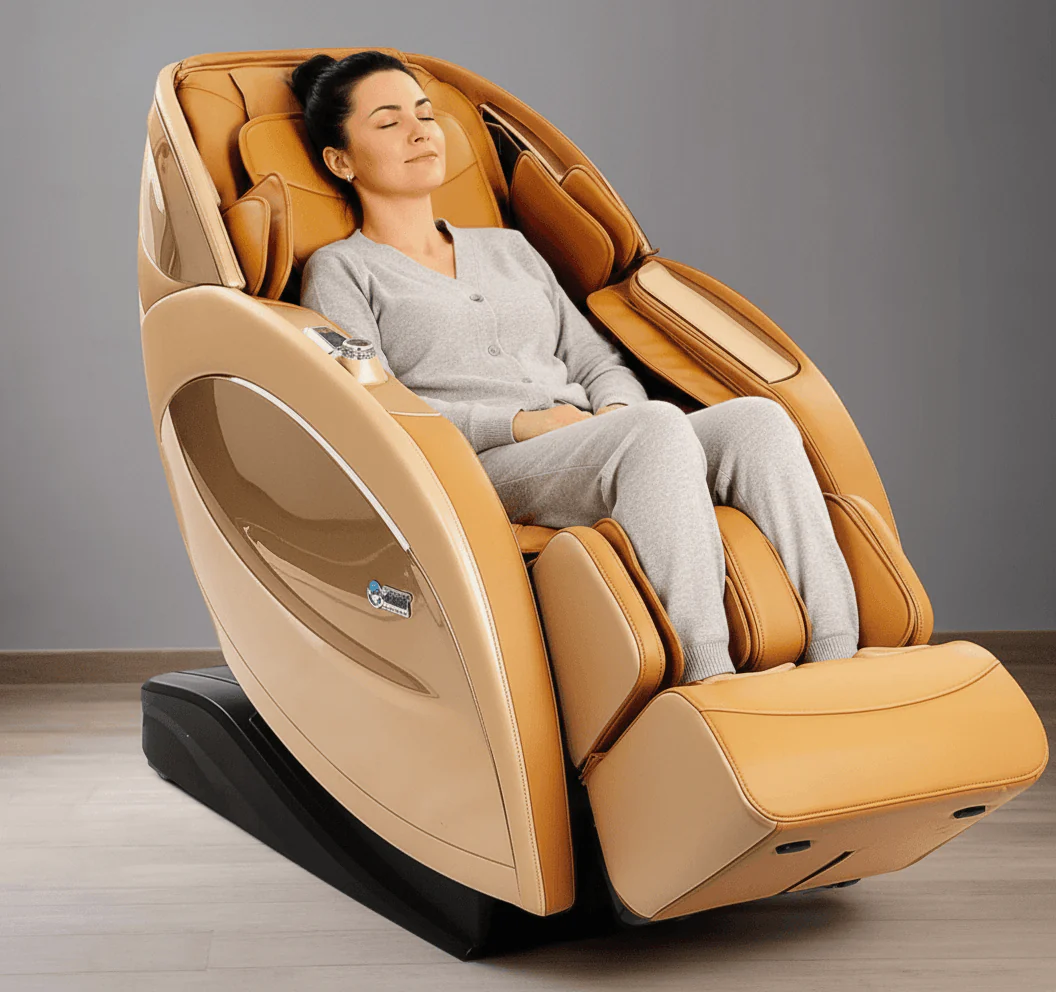
Massage chairs have become increasingly popular as a convenient and accessible way to relax and alleviate muscle tension. For athletes and those engaged in regular physical activity, the question often arises: can massage chairs help with muscle recovery after sports? The answer lies in understanding how massage therapy benefits the body and whether these effects can be replicated by mechanical devices.
Muscle recovery is a crucial aspect of athletic performance. After intense exercise, muscles experience microtears, inflammation, and stiffness. Effective recovery methods aim to reduce soreness, improve blood circulation, decrease inflammation, and promote tissue repair. Traditional manual massages are widely recognized for their ability to achieve these goals by applying targeted pressure that stimulates circulation and releases muscle knots.
Massage chairs attempt to mimic some of these benefits through various mechanisms such as kneading rollers, vibration settings, air compression airbags, and heat functions. These features work together to increase blood flow within the muscles by gently squeezing them, which helps deliver oxygen-rich blood while removing metabolic waste products like lactic acid. Improved circulation accelerates healing processes and reduces delayed onset muscle soreness (DOMS), common after vigorous workouts.
Additionally, many massage chairs incorporate heat therapy which further enhances relaxation by dilating blood vessels and loosening tight muscles. Heat also promotes flexibility of connective tissues around joints which can prevent stiffness following prolonged training sessions or competitions.
While massage chairs offer convenience-they are available at home anytime without needing an appointment or therapist-they do have limitations compared to human hands-on treatment. A skilled massage therapist can adapt techniques based on real-time feedback from the athlete’s body language or verbal cues; they can target specific problem areas more precisely than most machines currently allow.
Moreover, certain types of sports injuries may require specialized care beyond what a chair provides-such as deep tissue manipulation or myofascial release-which generally necessitate professional intervention.
That said, incorporating regular sessions with a quality massage chair reviews into one’s post-exercise routine can provide noticeable relief from general muscle fatigue and stiffness. It serves as an effective supplementary tool alongside other recovery strategies like stretching exercises, hydration protocols, proper nutrition intake rich in protein for tissue repair, adequate sleep for overall restoration of bodily functions including hormonal balance related to growth factors essential for healing.
In conclusion, while massage chairs cannot fully replace professional therapeutic massages especially for complex muscular issues or severe injuries caused during sports activities they do contribute positively towards accelerating muscle recovery after exercise by enhancing circulation reducing tension improving relaxation thereby helping athletes maintain consistent performance levels over time when used correctly within a comprehensive recovery plan.